Jury Consulting Articles


Why Successful Trial Lawyers Use Jury Research

A single white king chess piece on a dark background with a shadow extending to the right.

In the world of litigation, trial preparation is no longer just about legal arguments and polished openings. It’s about knowing how real people—your potential jurors—will perceive your case. That’s where jury research comes in.


The Juror You Overlooked

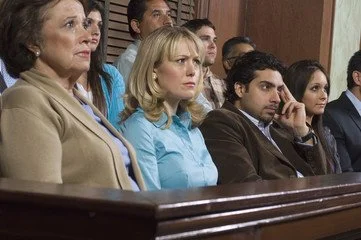
A courtroom scene with people sitting in the jury box, paying attention to a case.

The most dangerous juror isn’t always the one who dislikes your case—it’s the one everyone listens to when he turns. Corporate trust without critical examination is no longer guaranteed defense territory. Today’s juries—especially younger ones—think differently.


Thematic Development:
The Key to Shaping Verdict Outcomes

Digital illustration of a person in a blue suit pressing a glowing button, with a holographic scale symbol and various icons related to law and justice, including a shield, gear, brain, and charts.

Jurors make sense of a case by constructing a story that explains what happened and why. This narrative process is central to how they interpret evidence and reach a verdict. The themes presented by counsel guide this process by providing a framework that shapes how jurors organize information, assign meaning, and form their verdict orientation.


The Most Dangerous Juror

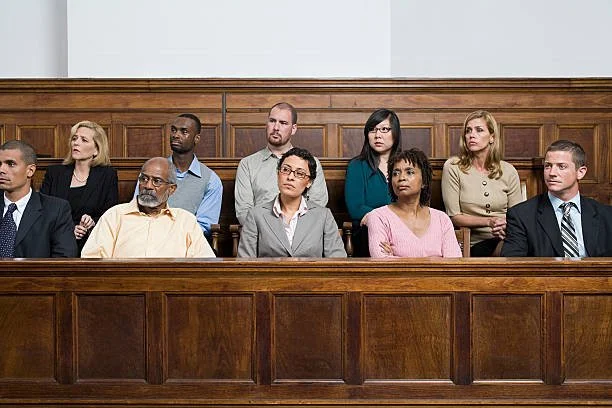
People sitting in a courtroom.

During voir dire in a recent product liability case, our team identified three clear peremptory strike candidates—Ms. Not-Good, Ms. Even-Worse, and Mr. Disaster. Each had expressed views that posed significant risks to our case.


The Verdict is In!

A wooden gavel resting on a sound block, with a blurred background of bookshelves.

Early-stage jury research isn’t a luxury—it’s a strategic necessity.When the stakes are high, data-driven insight can mean the difference between persuasive and punitive. Real jurors offer real feedback. And the best trial teams leverage it long before opening statements begin.


Litigation in an Age of Mistrust: How Juror Stories Influence Verdicts
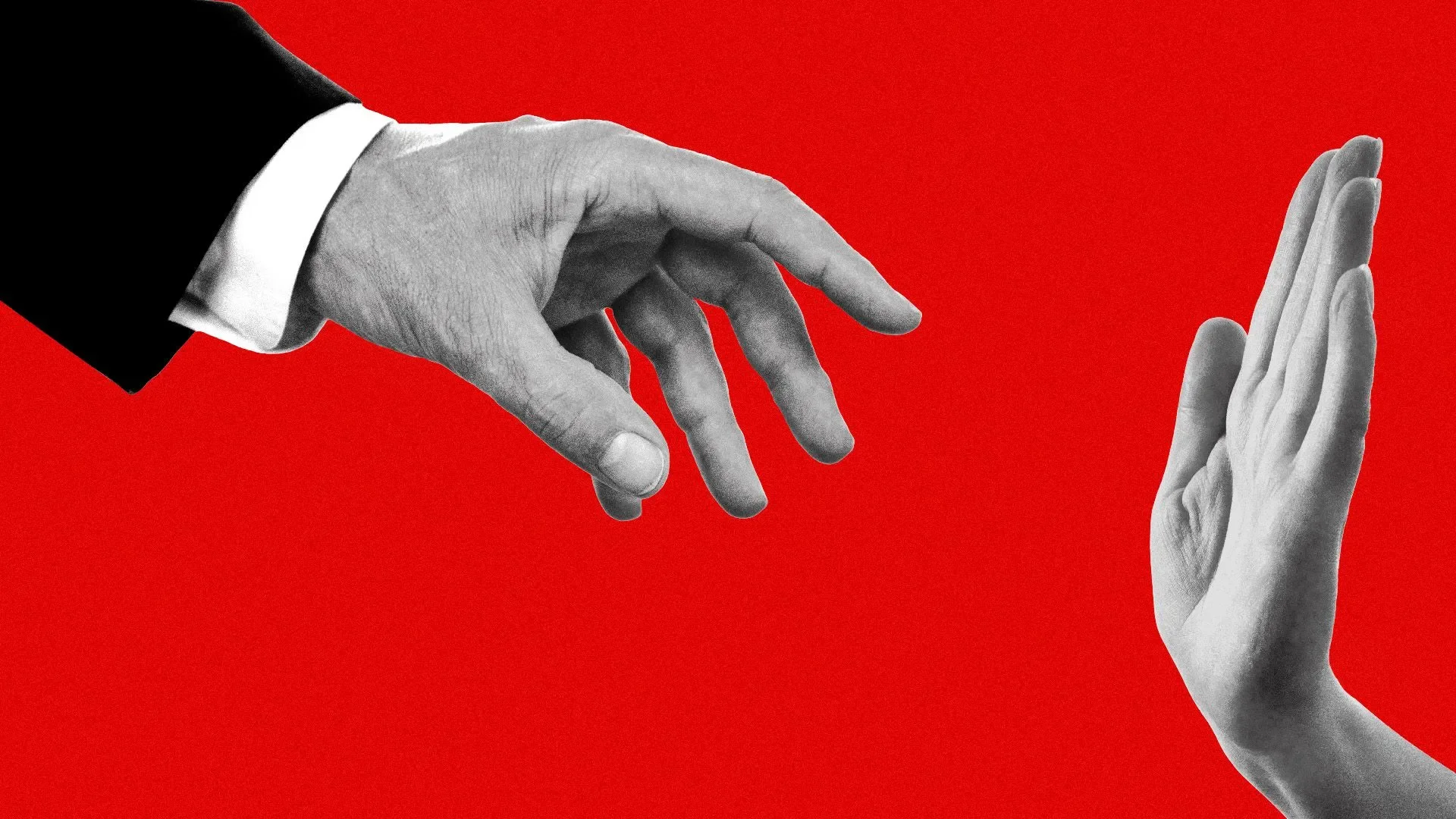
A black and white illustration of two hands reaching towards each other against a red background. The hand on the left is larger, with a suit sleeve visible, while the hand on the right is smaller and open, as if about to catch or hold something.

Jurors today face an age of misinformation and mistrust, often questioning corporations, experts, and even the legal system itself. Jurors build stories to make sense of complex cases and why clear, consistent themes are essential to shaping verdicts. Discover how strong narrative strategy can turn uncertainty into understanding and influence courtroom outcomes.