Juror Profile Analysis & Prospective Juror Questionnaires
Uncover the dangerous jurors on your panel and enter the courtroom with a strategic plan - not hope and guesswork.

How Juror Profiling Analysis Works
Quantitative + Qualitative Insight
Juror Profiling Analysis allows trial teams:
Comprehensive Mixed-Method Research – Combining quantitative and qualitative methodologies to evaluate juror attitudes and tendencies.
Juror Orientation Identification – Distinguishing between plaintiff-oriented and defense-oriented jurors.
Damage Propensity Evaluation – Assessing high- and low-damage jurors to anticipate award patterns.
Toxic & Dangerous Juror Detection – Identifying jurors whose biases, attitudes, or experiences could harm your case.
Juror Profile Development – Creating detailed profiles that highlight values, personality traits, and decision-making styles.
Argument-Persuasion Mapping – Determining which case themes, facts, and arguments resonate with specific juror types.
Empirically Based, Data-Driven Approach – Grounded in behavioral science and backed by quantitative data.
Predictive Juror Modeling – Using data to forecast how jurors may respond to key issues or evidence.
Prospective Juror Questionnaire Design – Developing and implementing tailored PJQs to uncover bias and predisposition.
Applicable Across Jurisdictions – Designed for both state and federal court applications.

Juror Profiling Research
& Prospective Juror Questionnaires
Understand Jurors Before
They Decide Your Case
What You Gain:
Reveal Hidden Juror Biases – Uncover attitudes and predispositions that can make or break a case.
Data-Driven Juror Insight – Equip your trial team with research-based understanding of juror psychology.
Behavioral Narrative Framing – Build persuasive case stories grounded in behavioral science.
Anticipate and Eliminate Bias – Identify and strike potentially harmful jurors with confidence.
Select a Receptive Jury – Choose jurors most open and receptive to your case themes and arguments.
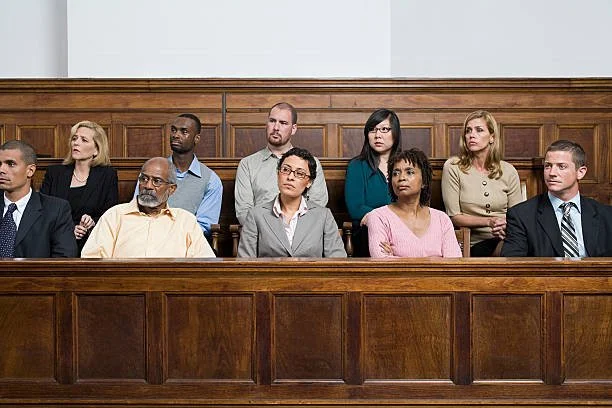

See the Real Juror – Underneath the Surface
Jury Selection is about deselection,
then selection:
Make Every Strike Count. Our analysis reveals:
Supportive Juror Identification – Pinpoint which jurors are most likely to align with your case.
Toxic Juror Detection – Identify individuals whose attitudes or biases could jeopardize your outcome.
Early Bias Recognition – Gain insight into juror beliefs and predispositions before jury selection begins.
Data-Driven Juror Strikes – Use empirical findings to confidently remove unfavorable jurors.
Narrative Alignment Confidence – Identify jurors most receptive to your themes and persuasive story.
Predictive Decision Modeling – Anticipate how different juror types are likely to respond to your key arguments.
Enhanced Voir Dire Strategy – Craft smarter questions and selection tactics informed by behavioral data.
Strategic Advantages
Transform Voir Dire Into a Targeted Strategy
This research helps you:
Target Key Bias Indicators – Focus voir dire on juror attitudes and potential biases that matter most.
Behaviorally Aligned Narratives – Craft persuasive case stories based on juror psychology.
Data-Driven Jury Selection – Strengthen decisions with objective, research-backed insights.
Identify Supportive Jurors – Pinpoint jurors who naturally align with your client’s story.
Build a Winning Jury – Assemble a jury that increases your likelihood of success at trial.
Anticipate Juror Reactions – Predict how jurors will respond to arguments, evidence, and themes.
Mitigate High-Risk Jurors – Recognize and manage jurors whose biases or attitudes could threaten case outcomes.

Flexible Formats
Designed to Fit Every Trial Timeline
Juror Profiling Research & PJQs are offered in formats
tailored to your needs:
Custom Case-Specific Research – Conducted using original data tailored to your case facts, issues, and venue.
Comparative Database Analysis – Draws from extensive juror databases to identify patterns from similar cases and argument types.
Behavioral Profiling Insights – Reveals which juror types respond favorably or unfavorably to specific themes, witnesses, or testimony.
Targeted Juror Questionnaires – Develops Prospective Juror Questionnaires (PJQs) that expose dangerous jurors without revealing those favorable to your case.
Scalable Research Formats – From quick-turn exploratory sessions to multi-day, in-depth analyses depending on your needs and timeline.
In-Person or Virtual Options – Delivered seamlessly in any format, ensuring flexibility across jurisdictions and schedules.

The Result
Remove Dangerous Jurors and Strategically Plan Your Case
A smarter, data-informed jury selection process that:
Identifies Key Jurors – Know who is likely to support or oppose your case.
Eliminates Guesswork – Make jury selection decisions based on data, not assumptions.
Supports Strategic Planning – Enter voir dire with a clear, research-backed approach.
Removes Unfavorable Jurors – Confidently strike jurors who will never find in your favor.
Finds Open & Receptive Jurors – Seat jurors willing to listen and engage with your narrative.
Predicts Juror Reactions – Anticipate responses to evidence, themes, and arguments.
Optimizes Case Persuasion – Align your story with juror values for maximum impact.
Reduces Trial Risk – Minimize surprises and strengthen overall trial strategy.
Builds Confidence – Ensure every jury selection decision is backed by empirical, data-driven insights.